DIY Resin Flooring: An Comprehensive Guide for Homeowners
Whether you are searching to enhance the appearance and durability of your floors, DIY epoxy flooring might be the ideal endeavor for you. Whether you want to revamp your garage with a new surface or convert your basement into a stylish and functional space, epoxy floors deliver a superb solution. With Garage floor coating, and visual appeal, these floors can handle the demands of daily life while providing a smooth finish that is easy to care for.
This comprehensive guide will guide you through the steps of applying epoxy flooring, making sure that you have all the knowledge you need to take on this project confidently. From setting up your space to blending the epoxy and applying the final coat, we will go over everything you need to know to attain stunning results. Thus, gather your supplies and get ready to enhance your home with gorgeous and long-lasting garage floor epoxy or basement epoxy flooring.
Comprehending Epoxy Flooring
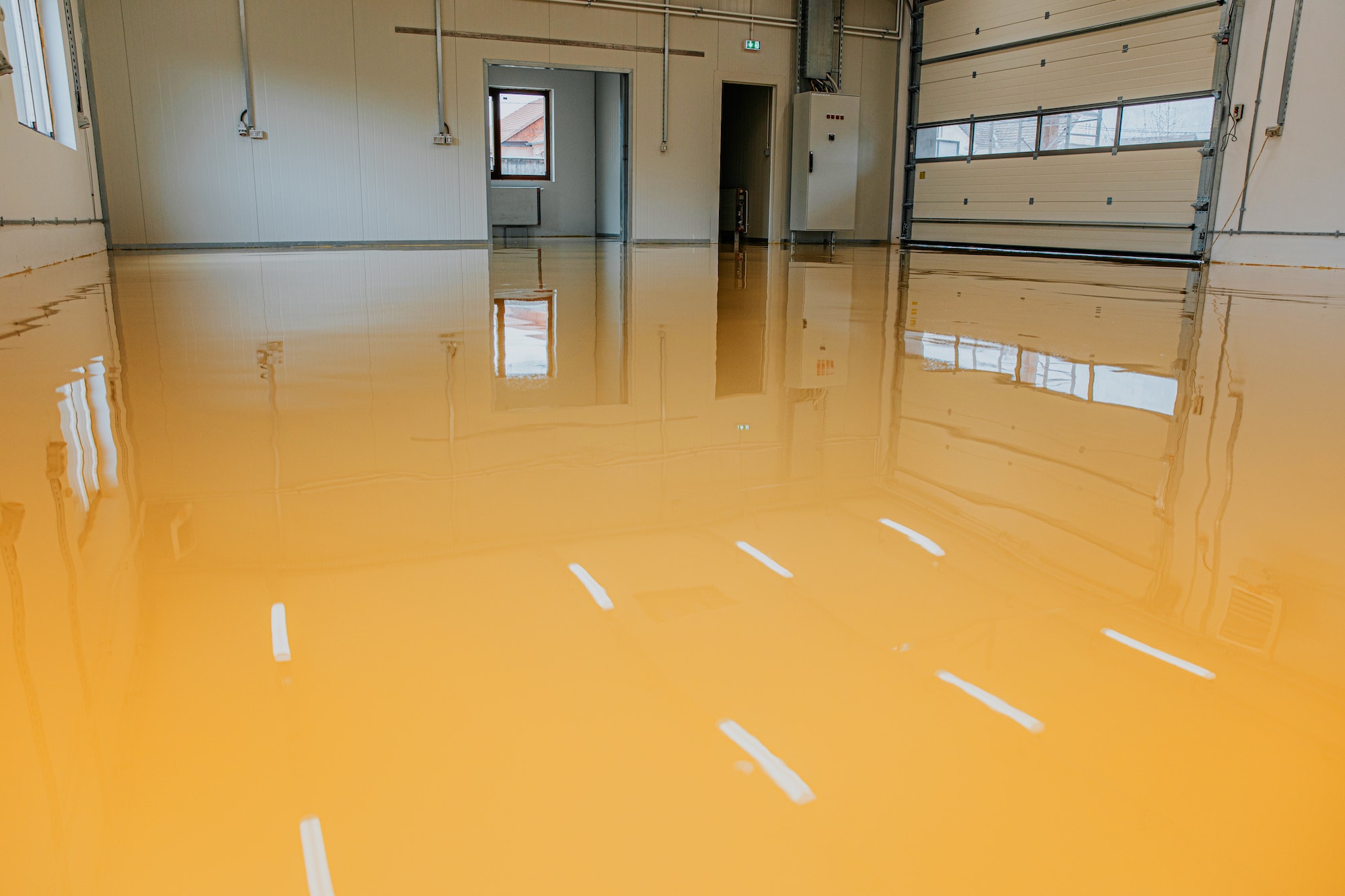
Epoxy flooring is a adaptable and durable flooring solution that has gained favor in both home and business settings. It is made from a combination of epoxy resin and curing agent that, when blended, create a robust and long-lasting surface. This special formulation allows epoxy floors to withstand substantial foot traffic, repel stains, and endure a variety of environmental conditions, resulting in them ideal for spaces such as carports and basements.
One of the key drawbacks of this flooring is its seamless surface, which not only improves the complete appearance of a space but also offers useful benefits. The polished finish halts the collection of dust, making it easier to clean and maintain. Additionally, the high-gloss surface can cast light, contributing to a brighter and more open atmosphere in areas like workshops or leisure rooms.
Selecting epoxy floors for your residence can provide a considerable financial benefit. Its strength means less fixes and replacements over time, while its ability to humidity and substances makes it well-suited for basements and other areas prone to spills or moisture. With a broad range of shades and textures available, property owners can adapt their flooring solution to fit their personal style and complement their decor.
Materials and Equipment Needed
To effectively apply epoxy floors, you'll need a variety of supplies crafted for strength and efficiency. The primary component is epoxy resin, which typically consists of a base and hardener that, when mixed, creates a robust and durable surface. Make sure to choose a high-quality garage floor epoxy or basement epoxy flooring kit suitable for your specific needs. Additionally, you will need a base coat to improve adhesion and maybe a finish for added protection.
Then, equip yourself with the right tools to ensure a smooth installation process. Essential tools include a mixing container and a stirring stick for mixing the epoxy resin and hardener. You'll also need a trowel or a scraper for spreading the epoxy on the floor. A roller brush can help cover large areas efficiently, while a paintbrush may be required for corners and edges. Remember to include safety gear, such as gloves and goggles, to safeguard yourself during the process.
In conclusion, set up your work area with tools that will facilitate the process more manageable. Garage floor coating, or shop vacuum is essential for preparing your flooring surface before installation. If you are dealing with a big space, consider utilizing painter's tape to mark off edges and create sharp boundaries. A roller grid can also assist in regulating paint application and preventing drips. By gathering all these materials and equipment, you will be well-prepared for your do-it-yourself epoxy flooring project.
Preparing Your Surface
Before applying epoxy flooring, it is crucial to verify your surface is thoroughly prepared. Start by cleaning the area thoroughly. Remove any dust, soil, grease, or grease that may be present on the surface. A degreaser or a cement cleaner can be particularly useful in eliminating impurities that could interfere with adhesion. For garage floor epoxy, this step is crucial, as liquids from vehicles can compromise the bond of the epoxy.
Afterward, inspect the surface for any cracks or damaged areas. Fixing these imperfections is vital for a smooth finish and longevity. Use a concrete repair compound for small cracks, and let it to cure as per the manufacturer's guidelines. If you are dealing with a basement epoxy flooring project, also evaluate moisture levels in the concrete, as high moisture can affect the curing and lifespan of the epoxy.
Once fixes are finished, it's time to etch the surface if necessary. Etching helps to create a profile on the concrete that enhances the epoxy's grip. This can be done using a concrete etching solution or a diamond grinder. After etching, wash the surface well and allow it to air dry completely. Adequate surface preparation helps ensure that your epoxy floors stick well and provide a durable finish.
Application Process
This application procedure for epoxy flooring is crucial to achieving a durable and aesthetically pleasing finish. Start by prepping the surface. This involves cleaning the surface thoroughly, clearing dust, dirt, and existing coatings. If you are working in a garage or basement, ensure that any oil stains are treated with a grease remover. It's essential to fix all cracks or holes in the concrete to create a level and uniform surface before moving on to the next steps.
After the surface is prepared, combine the epoxy resin and hardener following the manufacturer's instructions. It is vital to follow the suggested ratios for optimal results. Equip yourself with the right tools, such as a roller, brush, and squeegee, to apply the mixture properly. Starting at a corner of the room will help you work your way out while avoiding stepping on wet epoxy. Apply the mixture uniformly, ensuring that you cover every corners and edges for a consistent finish.
Once the first layer is applied, allow it to cure as instructed. Depending on the product, this may take several hours to a couple of days. For a shiny finish or improved durability, consider applying a second coat. Be sure to follow the instructions concerning re-coating times, as applying a new layer too soon can impact adhesion. When completely cured, Garage floor coating, will provide a strong and visually appealing surface fit for any space, whether it be your garage or basement.
Curing and Upkeep Suggestions
After putting down epoxy flooring, it is important to allow sufficient curing time for the greatest results. Generally, epoxy needs a minimum of 24 hours to cure sufficiently for light foot traffic, but it is advisable to wait a minimum of three to seven days before exposing the surface to heavy loads or moving furniture back in place. During this curing period, make sure the area is well-ventilated to aid the drying process and avoid any moisture that could hinder with the bond.
Maintaining your epoxy floors is comparatively simple. Regular sweeping or dust mopping will help keep dirt and debris from scratching the surface. For a deeper clean, you can use a pH-neutral cleaner diluted in water, making sure that you avoid harsh chemicals that may damage the epoxy coating. It’s also a good idea to occasionally check for any signs of wear or damage. Quickly addressing chips or scratches will extend the life of your epoxy flooring and keep it looking its best.
To protect your garage floor epoxy or basement epoxy flooring from stains and spills, consider putting on a sealant or topcoat after the initial curing period has finished. This additional layer will provide additional protection against chemicals, oil, and other substances commonly found in garages or basements. Always follow manufacturer recommendations for maintenance products to ensure compatibility and to maintain the integrity of your epoxy floors.