Epoxy Coating versus Traditional Options: What should Omaha Homeowners Must Understand
When it comes to upgrading and renovating floors in their homes, Omaha homeowners have a variety of options to select from. Among them, epoxy flooring has emerged as a standout choice for many due to its strength, adaptability, and visual attractiveness. Whether you're thinking about a garage floor makeover or looking to upgrade commercial spaces with industrial floor coatings, knowing the benefits of epoxy flooring can help homeowners make informed decisions that suit their specific needs.
In this document, we will discuss the main differences between epoxy flooring and conventional flooring options. From the convenience of installing and maintenance to the unique attributes like slip-resistant properties and chemical resistivity, we endeavor to offer a comprehensive overview. We will also discuss particular applications, such as basement epoxy floors and showroom floor coatings, while highlighting special offers and free estimates available for those curious in this transformative flooring solution. If you are planning a seasonal garage renovation or looking to upgrade your restaurant kitchen, knowing the ins and outs of epoxy floor coating can make all the difference.
Comprehending Resin Surfaces
Polymeric flooring is a robust and adaptable flooring option that has achieved favor among residents and companies in Omaha. It comprises a polymer and catalyst that, when combined, create a strong and long-lasting surface. This flooring alternative is particularly well-suited for areas that require a resilient, chemical-proof surface such as workshops, basements, and commercial settings. With its continuous finish, epoxy supplies an attractive look while improving the functionality of the space.
One of the primary benefits of epoxy flooring is its water-resistant properties. This makes it an superb choice for areas likely to face moisture, such as basements and outdoor spaces. Additionally, the simple-to-maintain nature of epoxy floor coatings makes easier maintenance, allowing residents to keep their spaces looking pristine with little effort. For Showroom floor coating, interested in a garage floor renovation, epoxy options include shimmering and dimensional styles that can enhance the visual appeal of any garage.
Another attractive aspect of epoxy flooring is its traction-enhancing qualities, making it a reliable choice for both domestic and factory environments. From restaurant kitchen flooring to mechanic floor coatings, epoxy delivers a level of safety while preserving durability. Knowing the benefits of epoxy can help Omaha property owners make wise decisions regarding their flooring requirements, whether for residential or business purposes.
Benefits of Epoxy Flooring Over Conventional Choices
Epoxy delivers greater resilience compared to traditional flooring options. While tiles and wood may degrade with time and necessitate ongoing maintenance, epoxy flooring offers a durable surface that is able to endure intense pedestrian traffic, liquids, and including hazardous substance contact. This makes it especially perfect for areas such as garages, commercial spaces, and industrial settings where constant wear and tear becomes a concern. Property owners can expect a durable floor that retains its integrity over the years.
Another significant benefit of using epoxy is its simplicity of maintenance. The seamless surface stops dirt and grime accumulation, facilitating for fast and efficient cleaning. With Concrete floor resurfacing, , grooves or patterns can harbor bacteria and stains, making upkeep more difficult. The non-porous nature of epoxy non-porous nature is a huge plus for property owners who want to keep a clean and sanitary environment, particularly in garages, kitchen spaces, and basement areas where accidents are more common.
In addition, epoxy flooring has the ability to enhance the visual appeal of a area. With options like metallic epoxy flooring and 3D epoxy flooring, property owners can achieve a modern and refined appearance that conventional flooring materials like cement or tile cannot match. The flexibility of epoxy enables customization in hue and design, making it ideal for different settings—from restaurant kitchen flooring to flooring in showrooms—enhancing both function and visual appeal.
Benefits of Epoxy Flooring Solutions
Epoxy flooring is a flexible option that can be applied in multiple settings, making it an excellent choice for Omaha homeowners. One of the most common applications is in residential garages, where the durability and simplicity of maintenance of a garage floor epoxy make it a well-liked option. With a slip-resistant floor coating and waterproof properties, an epoxy garage floor not only enhances the appearance of the space but also provides sustained protection against routine wear and tear.
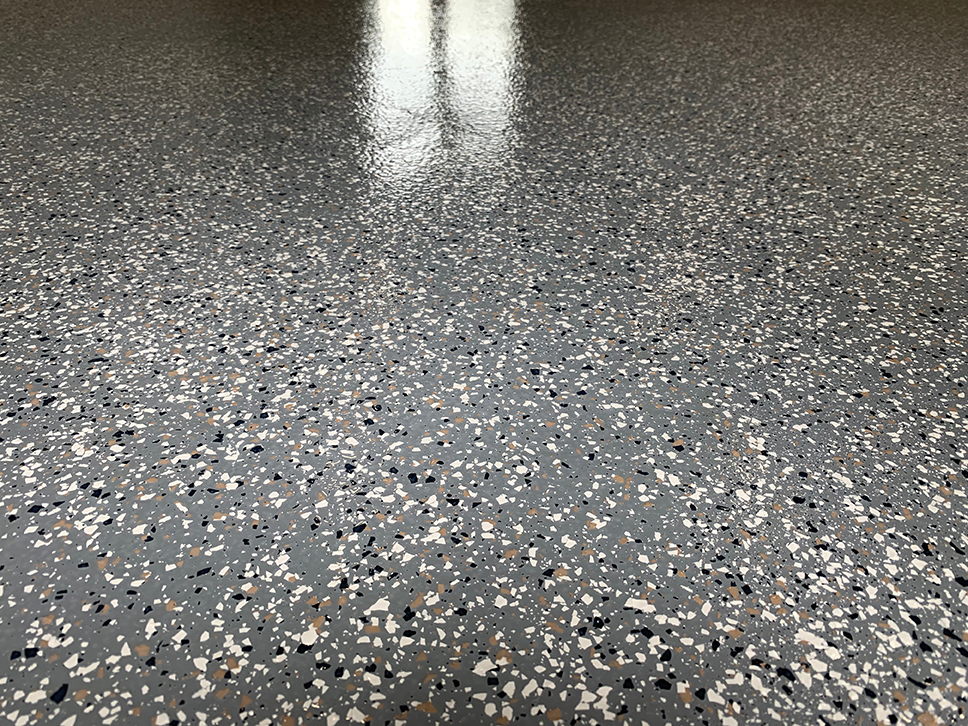
Commercial and industrial environments also gain advantages from epoxy flooring due to its chemical-resistant properties. Businesses such as restaurants and auto shops often require a floor that can endure spills, stains, and significant foot traffic. Commercial epoxy flooring solutions offer dependable protection while ensuring an easy to sanitize garage floor or kitchen area, which is essential for maintaining sanitation standards and operational efficiency.
In addition, epoxy flooring can be used in innovative ways, such as in showroom floor coating or even three-dimensional epoxy flooring designs. Homeowners looking to enhance their basement or patio spaces can take advantage of metallic epoxy garage floors to create breathtaking visuals. Whether it’s for a spring garage renovation or a distinct basement epoxy floor finish, the applications of epoxy flooring are as diverse as the properties it improves.
Cost and Installation Considerations
As you contemplate epoxy flooring in your business in Omaha or business, it's crucial to assess the overall cost, which usually comprises both materials and labor. Pricing per square foot might change depending on the epoxy type chosen, including metallic epoxy flooring and self-leveling epoxy floor, along with how complex the installation is. For an accurate evaluation, requesting a quote for epoxy floor installation from an area contractor is a good idea. Remember that investing in epoxy might result in financial benefits in the long run as a result of its long-lasting properties and wear resistance.
Considerations for installation also play a crucial role in the overall expense. Installing epoxy floors by professionals often necessitates the preparation of surfaces, which includes the processes of cleaning, repairing, and curing, to achieve the best adhesion and longevity. If you’re planning for renovating your garage in spring as well as a complete makeover, take the time to research experienced contractors within your vicinity who are experts in epoxy installation. Proper application is essential for enhancing the look as well as the functionality of the space, like having a garage floor that’s simple to maintain as well as a non-slip floor coating.
Lastly, it is worth considering the longevity of your investment. Epoxy flooring typically lasts between 10 to 20 years, depending on material quality and maintenance. By comparing epoxy and polyurea coatings, you might find choices that meet your requirements regarding durability and performance, especially in settings like commercial and industrial environments like restaurant kitchen flooring or coatings for warehouse floors. Always factor in the long-term advantages when comparing the initial costs of epoxy against traditional flooring options.
Care and Durability of Resin Floors
Maintaining epoxy floors is fairly simple, making them an appealing option for local homeowners. Regular cleaning with a mild detergent and water is often enough to keep surfaces looking their optimal. For commercial floor epoxy or residential epoxy flooring, a gentle broom or mop can help remove dirt and debris without damaging the finish. It’s important to stay away from harsh chemicals that could damage the epoxy coating over time.
In terms of longevity, epoxy flooring is known for its durability. When correctly installed and cared for, epoxy floors can last between 10 to 20 years, depending on the environment and usage. Factors such as exposure to harsh temperatures, increased foot traffic, and chemical spills can affect their lifespan. For commercial epoxy flooring used in dining establishments or warehouses, regular inspections and touch-ups may be required to maintain an ideal surface.
Homeowners should also consider seasonal changes when planning maintenance. The spring garage renovations are an excellent time to inspect and clean epoxy floors to address any wear and tear from the winter months. Additionally, investing in slip-resistant floor coatings can improve safety, especially in areas prone to moisture, ensuring that the floor remains usable and visually appealing for an extended period to come.